Suncor’s agreement to sell three offshore Canadian interests is headlined by C$1.2 billion of upfront cash. The more important finance number may be what leaves with the assets.
The buyer, Ithaca Energy, will assume a C$500 million regulatory well-compliance program and an estimated C$1.4 billion of abandonment and lease liabilities. Suncor also raised planned monthly share repurchases from C$500 million to C$750 million beginning in October. Read together, the decisions turn one asset sale into a broader capital-allocation test.
The judgment
- Implication: The economic value of the divestiture is not captured by sale proceeds alone. Transferring future commitments and end-of-life liabilities can matter as much as cash received, while the simultaneous buyback increase makes liquidity timing part of the same decision.
- What would change the conclusion: Closing adjustments, retained obligations, tax effects, partner-consent terms or revised liability estimates could materially change the value transferred. A sustained deterioration in oil prices or free cash flow would also weaken the case for the faster repurchase pace.
- Management action: Build a transaction bridge that starts with cash proceeds and separately shows contingent consideration, taxes, stranded costs, retained exposures, avoided capital, transferred liabilities and the cash demands of any capital return.
The headline price is not the whole consideration
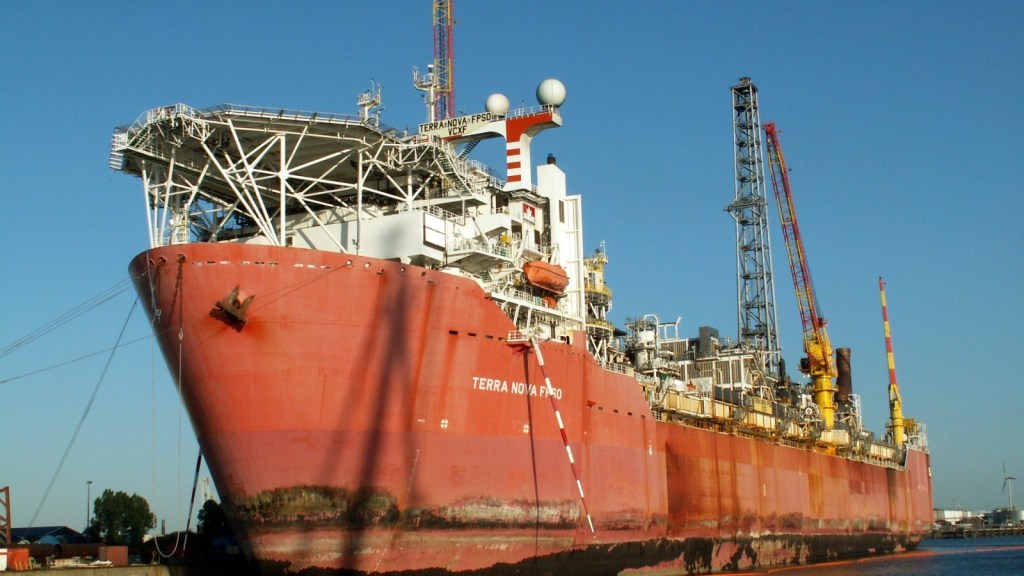
In its October 4 release, Suncor said it entered a definitive agreement to sell its 48% interest in Terra Nova, 40% interest in White Rose and 38.6% interest in West White Rose. The stated consideration is C$1.2 billion of upfront cash plus as much as C$350 million of contingent payment tied to future oil prices.
The same release says Ithaca will assume the investment commitments and all future liabilities associated with those assets, including the C$500 million Terra Nova compliance program beginning in 2027 and C$1.4 billion of estimated abandonment and lease liabilities. Those disclosed obligations total C$1.9 billion before considering the contingent payment.
That does not mean Suncor received C$3.1 billion or that every transferred liability should be valued dollar for dollar. Future obligations have timing, probability, discount-rate and estimation risk. Some would have been supported by future cash flows from the assets. Taxes, closing adjustments and stranded overhead can also change the result.
But it does mean that comparing the C$1.2 billion cash price with a simple asset book value would be incomplete. A seller that transfers large future expenditures may create value even when the headline proceeds look modest. A buyer may still create value if the acquired production, tax attributes, operating synergies and future cash flows more than compensate for those obligations.
The sale and buyback belong in one capital-allocation file
Suncor announced the divestiture and the repurchase increase together. Monthly buybacks are planned to rise 50%, to C$750 million, beginning in October. At that pace, three months of repurchases would total C$2.25 billion—more than the upfront sale proceeds—although an issuer bid is flexible and actual execution can change.
The timing matters. The transaction is expected to close in early 2027, subject to customary conditions, regulatory approvals and partner consents. The higher repurchase rate starts before closing. Finance therefore should not treat the sale proceeds as already available to fund October purchases.
The stronger interpretation is that management believes the remaining integrated portfolio and current cash generation can support the faster return of capital independently of closing. The weaker interpretation would be that investors mentally earmark not-yet-received proceeds for a buyback program that begins now. The board should make that distinction explicit.
This is the same discipline behind our analysis of Nvidia’s repurchase authorization: authorization and execution are different, and cash is only excess after operating needs, commitments and downside liquidity are funded. It also echoes the asset-and-liability lesson in the HomeRise wind-down analysis. Asset value and liquidity are not interchangeable.
Why the buyer can reach a different answer
Ithaca described the acquisition as its first international expansion and said it expects the deal to be immediately accretive to adjusted EBITDAX, free cash flow and dividend per share from completion. Those are company expectations, not guarantees.
The buyer’s case can differ from the seller’s without either side being irrational. Ithaca may value operatorship, production scale, regional entry and portfolio diversification more highly. It may also have a different cost structure, tax position, financing mix or view of oil prices. The contingent consideration shares some price upside with Suncor, while the assumed obligations place execution and end-of-life risk with Ithaca.
That allocation of risk is the transaction’s real architecture. The cash price is only one line.
A practical transaction bridge
Boards and finance teams evaluating a comparable divestiture should reconcile at least seven components:
- Cash at close: Separate headline consideration from escrow, working-capital adjustments and timing.
- Contingent value: Probability-weight and discount earnouts or commodity-linked payments instead of treating the maximum as cash.
- Transferred obligations: Identify future capital, environmental, pension, lease and decommissioning responsibilities that leave with the asset.
- Retained exposure: Show guarantees, indemnities, transition services and liabilities that can still return to the seller.
- Stranded cost: Quantify overhead that remains after revenue and operating activity leave.
- Tax and accounting effects: Keep book gains, taxable proceeds and economic value separate.
- Use of funds: Test debt reduction, reinvestment and repurchases against liquidity and downside scenarios rather than linking them rhetorically to the sale.
The free Capital Project ROI & Payback tool can help structure base and downside cash flows. For a divestiture, the model should include avoided future commitments and transferred liabilities as well as proceeds.
The bottom line
Suncor’s announcement is not just an asset-sale story. It is a reminder that consideration includes risk, commitments and timing.
The C$1.2 billion upfront price is real. So are the C$1.9 billion of disclosed future commitments and liabilities Ithaca is expected to assume. The 50% increase in monthly repurchases adds a second judgment: whether the remaining business can fund a faster capital return before the sale closes.
A useful board paper would not declare success from any one of those numbers. It would connect all of them.
Sources
- Suncor, “Suncor to divest non-core offshore assets and increase shareholder returns,” October 4, 2026
- Reuters, “Suncor to sell offshore Canada oil stakes to Ithaca for $842 million,” October 5, 2026
Reported facts, estimates and management expectations are attributed above. The judgments about transaction economics, liability transfer, liquidity timing and capital allocation are Numbers & Judgment analysis.


Leave a comment